AI Product & UX Design
oscar
Wearable AI museum companion
A clip-on device with a built-in camera lens that recognizes what a visitor is looking at, using preloaded museum context to answer questions the moment curiosity strikes.
ROLE
Project Lead, UI & Branding
TIMELINE
10 Weeks
TEAM
4 UX Designers
TOOLS
Figma, Rhino, Keyshot, 3D Printing
UI & Branding Lead
UX Design
Product Design
3D Modeling
Wearable AI

THE PROBLEM
Museums inspire curiosity, yet the experience often feels passive, overwhelming, and disconnected.
Static labels and rigid digital tools rarely adapt to how visitors actually move, learn, or engage, leaving a clear gap for something that personalizes education and supports visitors in real time.
Nothing already brings learning, exploration, and navigation together.
Audio guides → passive
AR apps → screen-dependent
Museum software → staff-focused
Interactive kiosks → static
~5M
combined annual visitors at the Field Museum and AMNH, two of the country's busiest natural history museums.
FIELD MUSEUM, 2022 · AMNH, 2024
~1/3
of exhibit elements get visited on average, leaving most of a museum unseen.
AUSTRALIAN MUSEUM, CITING HEIN, 1998
THE DEFINING QUESTION
How might we…
Use AI to make museum learning more engaging, fun, and personalized, so every visitor can explore exhibits easily while gaining meaningful educational experiences?
THE SOLUTION
A personalized tour guide that turns static exhibits into an engaging experience.
oscar acts like a knowledgeable friend beside you, asking questions and inspiring curiosity so every exhibit becomes something worth exploring instead of just walking past.

HOW OSCAR WORKS
Two parts working together, a wearable and a smart companion app.
The device recognizes what's around you. The app carries the conversation forward with context built specifically for that museum.

PHYSICAL TOUCHPOINT
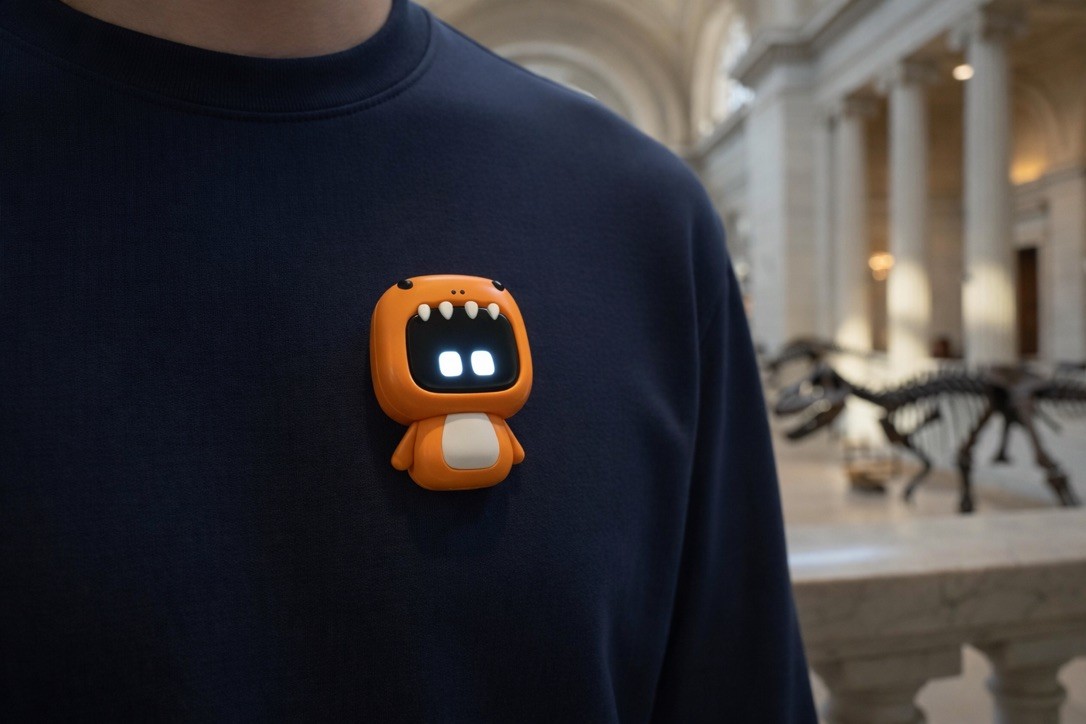
A clip-on device that recognizes exhibits the moment you look at them.
Activated with a single tap on its belly, oscar's built-in camera lens identifies artifacts and starts the conversation through your earbuds.

DIGITAL TOUCHPOINT
A chat companion built with the museum's own context.
Works like Claude or ChatGPT, but preloaded with the exhibits, layout, and stories specific to the museum you're actually standing in.
WHAT'S REAL
oscar's AI is a concept, but its physical form is real.
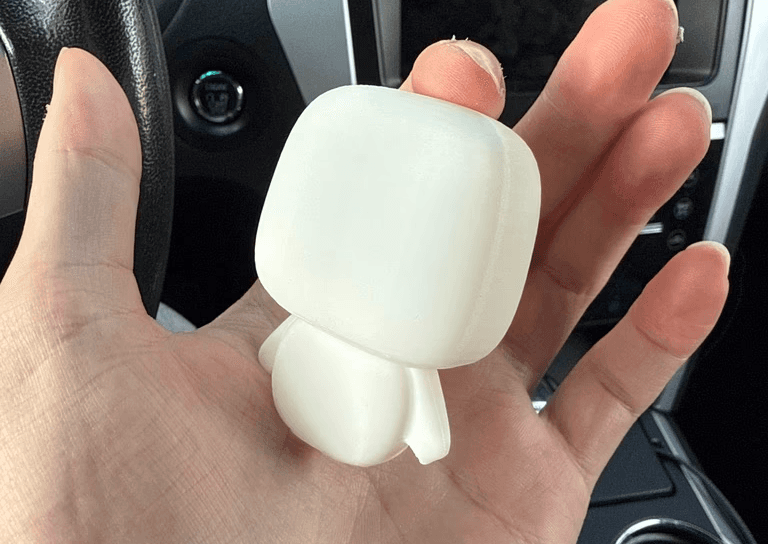
10 weeks isn't enough time to build working AI hardware, so the team 3D-printed a model at true real-world proportions instead, enough to test how it would actually clip onto a shirt.
SUSTAINABLE BY DESIGN
Every material choice sets an eco-conscious tone on purpose.
Three categories of material decisions, each one grounded in a proven comparison from an existing product.
Visible Sustainability
Recycled ABS shell (30–50% less carbon than virgin plastic), a low-power expressive eye display, and a glass lens built for durability.
Sustainable Components
An integrated mic and speaker skip extra hardware. Magnetic attachment replaces plastic clips, cutting handling errors for kids and families.
Sustainable Power
USB-C cuts e-waste versus proprietary cables. A shared charging station, the same model schools use for tablet fleets, charges multiple units at once.

IMPACT
How oscar benefits museums long-term.
Learning that adapts
Hands-on, interactive exhibits can increase time spent by up to 30%, with gamified prompts adjusting to each visitor's age and pace.
Families that connect
Parent and child devices link automatically, so groups can split up to explore and find each other again without losing time.
Crowds that disperse
Crowds at the Field Museum peak around icons like Sue the T-Rex. oscars stagger personal routes across visitors to spread crowds.
THE PROCESS
Every idea had to survive the full route from research to release.
Ten weeks of user research, ideation, and testing, three personas built from real interviews, and nine test flows validated before final studio crit.
RESEARCH & DISCOVERY
CONCEPT & BRAND
PHYSICAL DEVELOPMENT
MARKET & LOGISTICS
FABRICATION & PACKAGING
FINAL STUDIO CRITIQUE
RESEARCH & DISCOVERY
Research surfaced a market ready for something new.
Two directions made it to the table: a coral reef ecosystem monitor for marine researchers, and a museum companion for everyday visitors. The museum route won on reach, a device researchers might use occasionally couldn't compete with one millions of people could use every week.
The global market for AI-generated museum tour guides was $412M in 2024, projected to reach $2.15B by 2033.
CUSEUM, 2025
42%
of prominent European museums have already adopted AI in some operations.
CUSEUM, 2025
32%
of museum visitors have used an AI-powered experience during a visit in the past year.
MUSA GUIDE RESEARCH, MAY 2026
CONCEPT & BRAND DEVELOPMENT
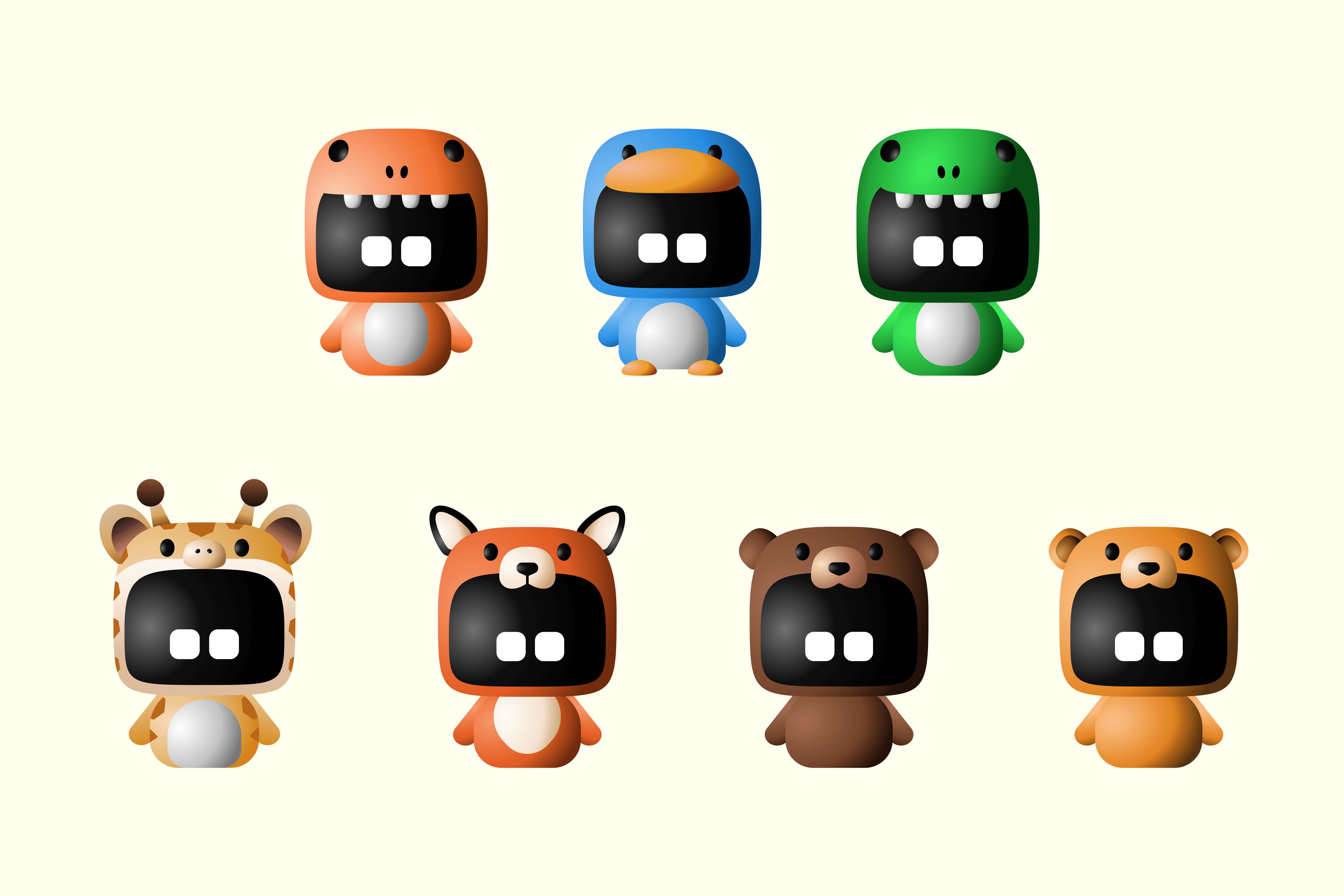
Building oscar meant designing physical models alongside the interface.
Early sketches and brand direction came together during the first five weeks, building off the original pitch and the research work that shaped the whole project.


PROTOTYPING & TESTING
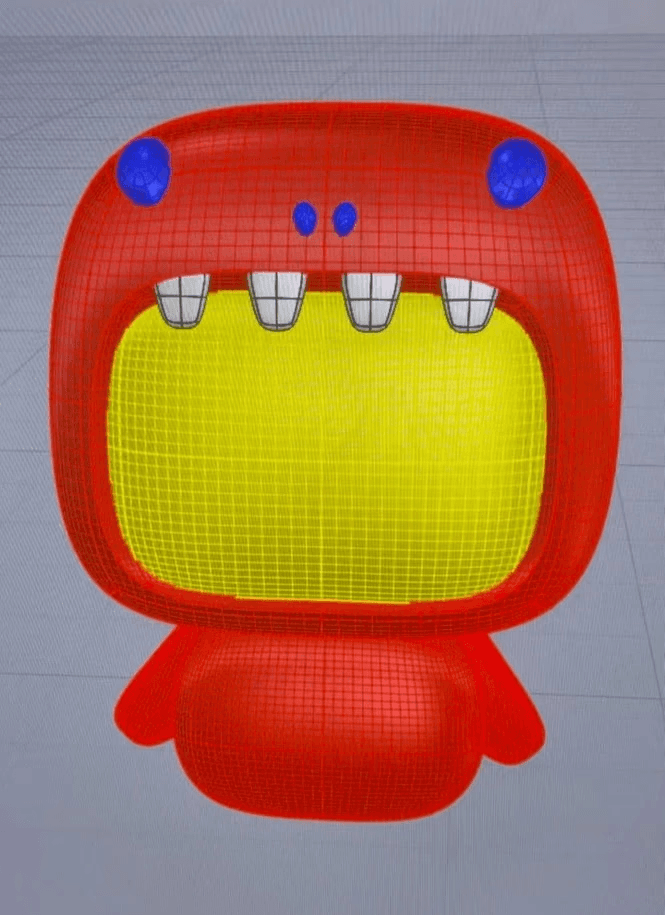
Repeated 3D prints polished the final model design.
Each round of printing surfaced fit and proportion issues the sketches alone couldn't catch, refining the design closer to what actually shipped.

Three decisions shaped how oscar actually feels to use.
Magnetic attachment
Clips felt fragile and easy to lose, so the team moved to magnetic attachment, already proven in wearables like fitness trackers.
The belly-button activation
A single tactile button lets a visitor start without breaking eye contact with the exhibit in front of them.
Camera over sensor tags
An NFC-tag sensor was simpler and fully private, no visual data collected, but only worked on tagged exhibits. A camera won for recognizing anything in view, tagged or not.
The digital layer got the same design attention as the hardware.
The movable eye display draws on research showing expressive robot faces build user attention and trust, the same principle behind social robots like Cozmo. The chat interface followed similar logic, favoring quick conversational answers over a screen full of menus.

UI DESIGN
A basic chat screen mockup stood in for the full conversational interface, enough to show how a visitor would actually ask oscar a question mid-visit.
MARKET & LOGISTICS REFINEMENT
The midterm crit revealed real holes in the strategy.
The second half of the term shifted from concept to logistics: target audience, sales model, and how oscar would actually be introduced into a museum.
GLOBAL MUSEUM MARKET
Beyond U.S. museums, the Louvre draws 8–9M visitors a year, "the world's most overcrowded museum." The Vatican Museums, Uffizi, and Prado each see millions more, all facing the same crowding and engagement problems oscar solves.
$4.5M
SEED ROUND RAISED BY MUSE SOFTWARE
Roo Capital, Banter Capital, and FJ Labs led the round. The Knight Foundation, Lemelson Foundation, and Mahuki, Te Papa Museum's own accelerator, round out a real investor landscape for museum-tech concepts like oscar.
USER JOURNEYS
Two real scenarios stress-tested the logistics.
Personal ownership and shared rental surfaced very different gaps, in the deposit flow, group pairing, and solo mode that hadn't been designed yet.

USER JOURNEY 1
Two personal oscars, moving independently.
Two friends explored the Field Museum together until one grew tired, then the other continued solo into a second museum, oscar adjusting instantly without losing context.

USER JOURNEY 2
One shared group, always trackable.
Two families rented devices at the door, with parent oscars linked to each child's device. A bathroom break split the group briefly, then reconnected without confusion.
FABRICATION & PACKAGING
Five oscars took shape in Rhino, then came to life through PolyJet printing.
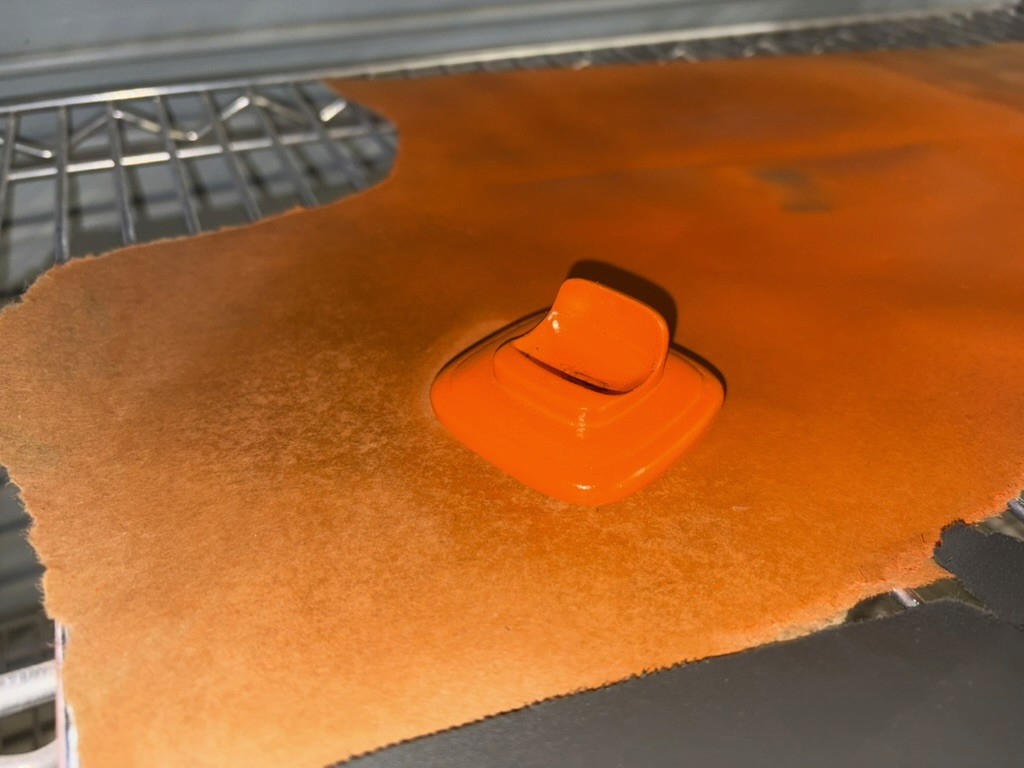
Two teammates led physical development, testing spray paint, filament, and Bondo for finish, then a liquid vinyl coating to fake the look of a screen on oscar's face.
THE PACKAGING REVEAL
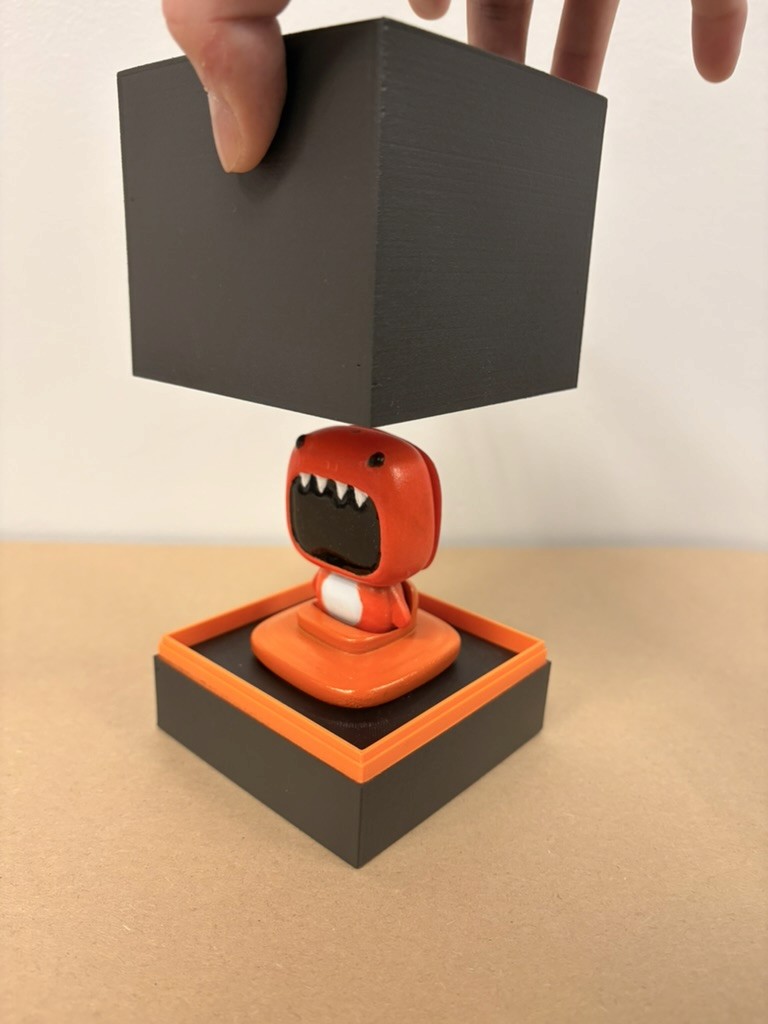
The professor emphasized packaging as its own experience, so the team built an Apple-inspired fitted box, with oscar seated on a small chair and stand inside, designed to feel like a gift the moment it opens.


MY ROLE
Leading this project meant owning the interface and brand, while teammates led physical fabrication.
Project leadership
Coordinated timelines and deliverables across a four-person team over ten weeks.
UI design
Directed how oscar communicates through its expressive eye display and on-device interaction points.
Brand direction
Shaped oscar's name, visual identity, and the personality behind its expressive eye display.
Research leadership
Led research across the whole project, from early concept selection through the market and accessibility data that shaped the final strategy.
REFLECTION
A big idea only earns trust when it can survive scrutiny. A faked demo or overstated capability falls apart the moment someone checks it, and that discipline now shapes how I approach every concept I design, however ambitious the scope.