UX & Systems Design
convoy
Autonomous last-mile delivery ecosystem
A connected ecosystem of drivers, neighborhood lockers, and autonomous robots, using live tracking and camera-verified handoffs to close the porch-piracy gap.
ROLE
Project Manager
TIMELINE
10 Weeks
TEAM
3 UX Designers, 1 UX Researcher
TOOLS
UX Design
System Design
Service Design
Brand Identity
Business Strategy
Accessibility

THE PROBLEM
Every stolen package chips away at trust in home delivery.
Confirmed through primary and secondary research, including interviews with recipients from across the US and national theft-rate data.
"It says delivered, but it's not there. Why does it say delivered when I don't see it?"
— MELISSA · SAVANNAH, GA · DIRECT INTERVIEW
104M
packages stolen in the U.S. in the past year, a $37B problem.
SAFEWISE, 2025
THE DEFINING QUESTION
How might we…
Reimagine the complexities of today's delivery experience to build trust by ensuring customers feel protected, connected, secure, informed, and supported at every stage, from purchase to final receipt?
THE SOLUTION
Verified handoffs restore trust in every delivery.
One missed delivery raises real doubt in the whole system. convoy's camera-verified handoffs close that gap before doubt sets in.


THE ECOSYSTEM
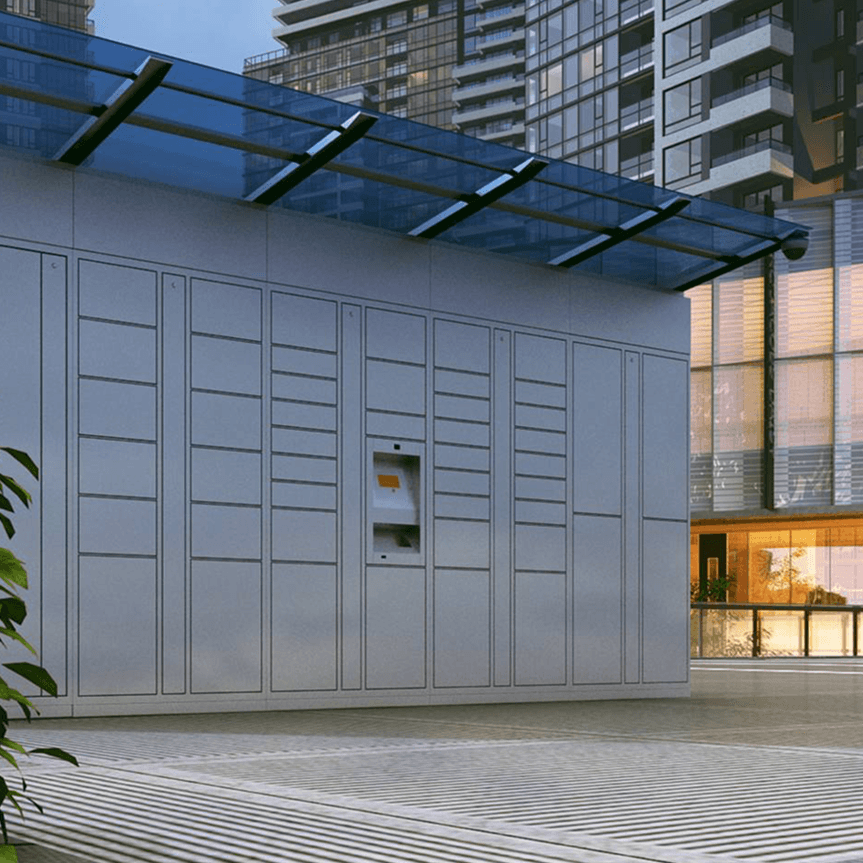
One trusted platform connecting drivers, lockers, robots, and residents.
convoy operates as three physical touchpoints unified by one app layer. Real-time tracking runs underneath all three, so the handoff between them is never a black box.


THE HONESTY STANDARD
Percy's specs are grounded in a robot that already works.
Every autonomous-delivery concept can claim whatever range and speed it wants on paper. Percy's specs are anchored to Serve Robotics, a fleet that's already completed 100,000+ real deliveries.
VERIFIED HANDOFFS
Every handoff is verified before a package ever unlocks.
Live camera access at every locker and robot handoff means you can watch it happen, replacing guesswork with proof.

IMPACT
How convoy benefits users and cities long-term.
Fewer thefts
Camera-verified handoffs remove the exposed-porch window where most theft happens.
Lower emissions
Robot delivery cuts CO2 per delivery by up to 65% when recommended over driving.
Informed choice
Users compare speed, distance, and CO2 impact before committing to a delivery method.
THE PROCESS
Every idea had to survive the full route from research to release.
Ten weeks of user research, ideation, and testing, three personas built from real interviews, and nine test flows validated before final studio crit.
RESEARCH & DISCOVERY
CONCEPT DEVELOPMENT
TESTING & VALIDATION
FINAL STUDIO CRITIQUE
RESEARCH & DISCOVERY
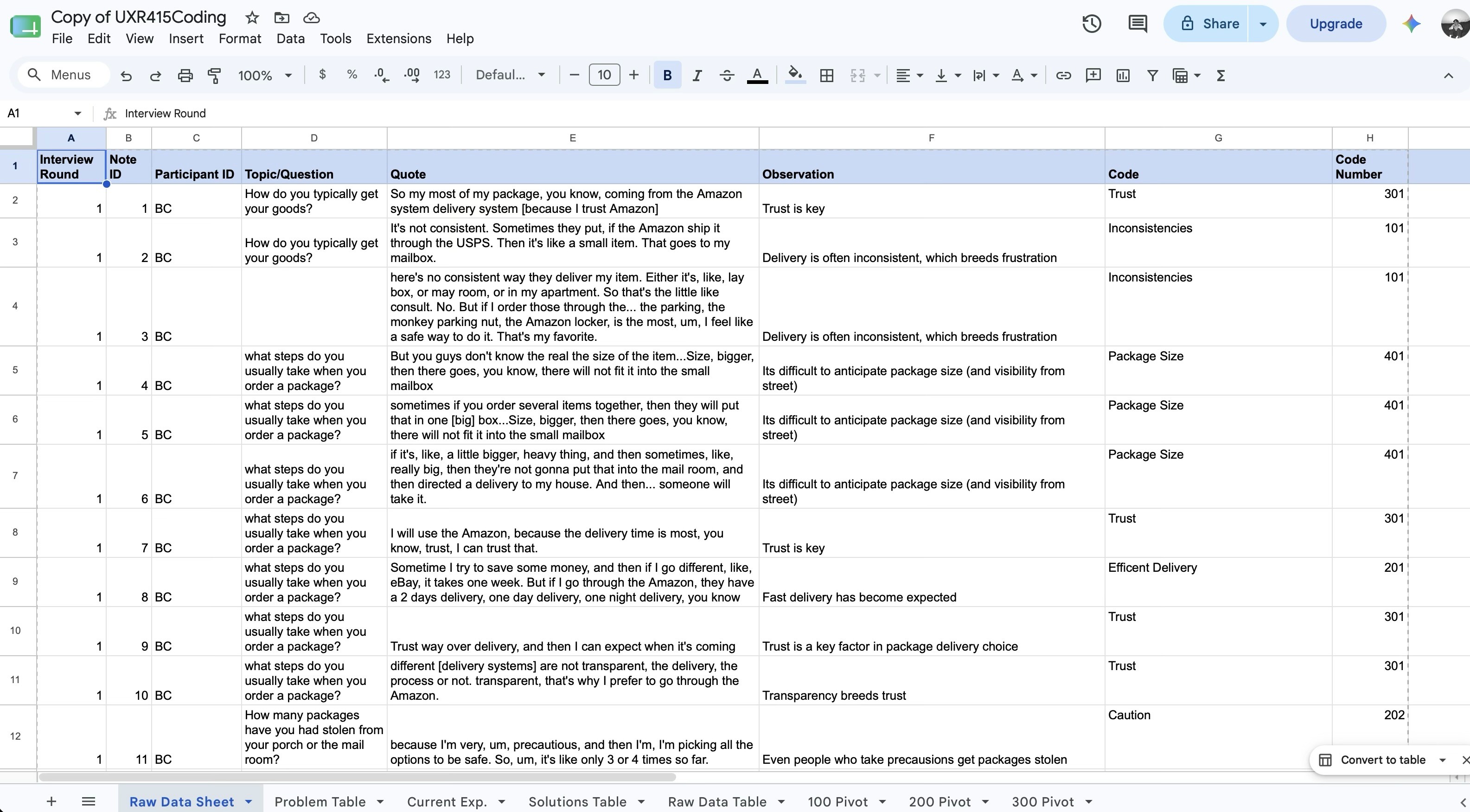
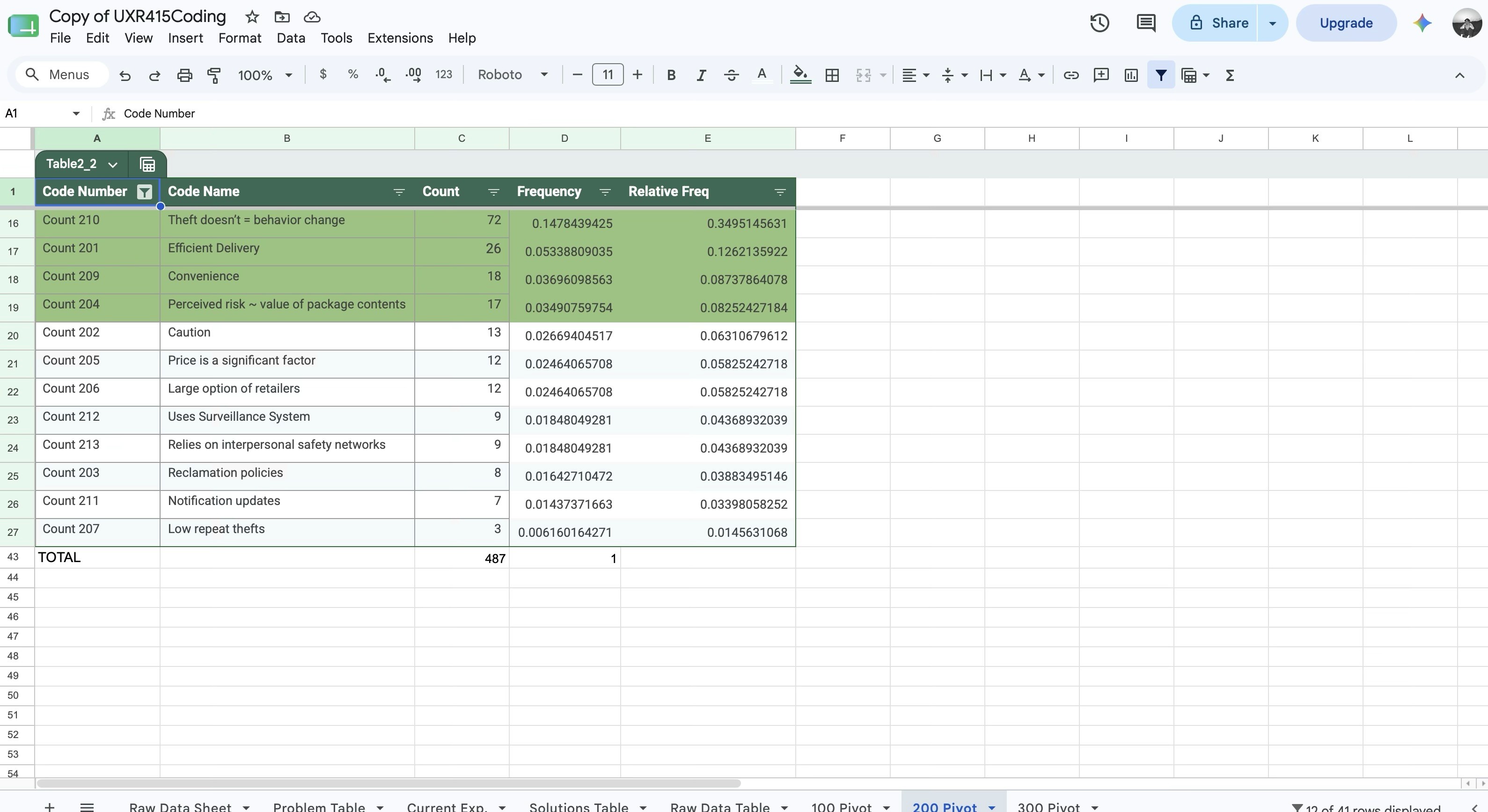
Surveys and interviews exposed a real and personal pattern.
"They said it was delivered, too bad. And then I put up a stink... finally got them to give me my money back."
— PATTI, SAVANNAH, GA
96%
of packages ordered are valued at $100 or less, meaning most theft targets routine deliveries, not luxury goods.

~1 in 4
Americans have experienced package theft, with few proactive alert systems to warn them beforehand.
CONCEPT DEVELOPMENT
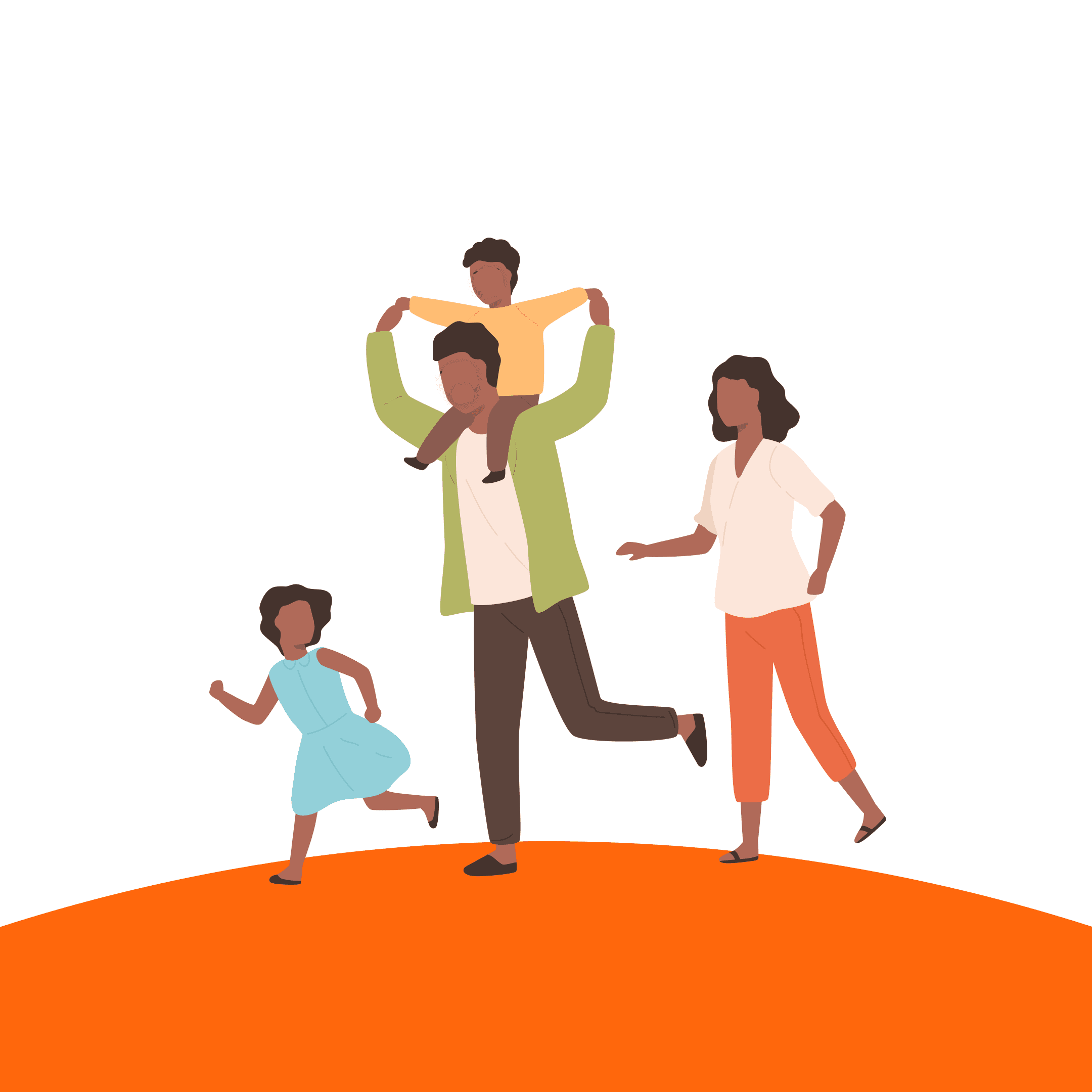
Three personas shaped how the ecosystem actually works.
Nelson, Matilda, and Cole represent distinct delivery patterns, each one grounding a different part of the system in a real use case instead of an abstract feature list.

PERSONA 1
9-5 Nelson, 28
Works full-time in Chicago and is rarely home when deliveries arrive, leaving packages exposed for hours before he's even alerted they're there.
PERSONA 2
Mother Matilda, 47
A part-time worker in Kirkwood, MO who orders almost daily but has no time to track deliveries herself, and needs shipping she can actually trust.

PERSONA 3
College Cole, 21
A college student in a low-income Savannah neighborhood who's had packages stolen so often he sometimes skips class just to catch a delivery in time.
Research kept shaping decisions long after the research phase ended.
The convoy name
A convoy is a group of vehicles traveling together for protection. The name reflects the system's actual promise: organization, protection, and mobility, not just delivery.
Nine user flows
Three personas grounded nine distinct flows, from uploading a delivery to receiving robot confirmation, each one tested before being finalized.
Revising the business model
The first business model canvas leaned toward efficiency and structure. Once concept development was underway, the team rebuilt it around how trust actually gets built and maintained with users.
Every screen traces back to a tested user flow.
From delivery detail views to the e-wallet pass, each screen answers a question one of the three personas actually asked during testing.


The proof points behind each ecosystem piece.
-25%
FAILED DELIVERY ATTEMPTS AFTER NEIGHBORHOOD LOCKERS
Parcel lockers in downtown Seattle cut failed delivery attempts and reduced driver dwell time by 15–20%.
URBANFREIGHTLAB.COM
99.8%
SUCCESS RATE ACROSS SERVE ROBOTICS' AUTONOMOUS FLEET
Serve Robotics has completed 100,000+ autonomous deliveries across five U.S. cities, the same benchmark used to anchor Percy's specs.
MUNRO.COM, VIA SERVE ROBOTICS
TESTING & VALIDATION
The robot handoff moment split testers down the middle.
Each persona's delivery scenario was tested as its own flow, asking participants direct emotional questions, like how it actually felt to receive a package from a delivery robot.
WHAT TESTING CAUGHT
Testers reacted strongly to the robot handoff moment itself. Some called it exciting, others found it unsettling, which pushed the team to design the robot's presence in the app around building trust before a delivery ever arrives.
MY ROLE
Leading this convoy meant connecting four different roles into one direction.
Project management
Coordinated timelines and deliverables across a four-person team over ten weeks.
System logistics
Mapped how the three touchpoints and app layer would actually connect end to end.
Brand direction
Shaped the convoy name and visual identity, plus a color-vision-safe status system for colorblind accessibility.
Keeping the concept honest
Anchored Percy's specs to a real deployed robot, so the pitch could hold up to scrutiny.
REFLECTION
A big idea only earns trust when it can survive scrutiny. A made-up quote or benchmark falls apart the moment someone checks it, and that discipline now shapes how I approach every concept I design, however ambitious the scope.
Every mile of the research route lives here.
The complete 560-slide process book lives on Figma and covers every round of research, testing, and iteration behind convoy.